
Bhagalpur Prepares to Honor Mahatma Gandhi’s Historic Legacy and Enduring Ideals
A three-day festival in Bhagalpur will celebrate the centenary of Mahatma Gandhi’s influential visits to the city, highlighting the continued relevance of his civil disobedience and non-violent methods in modern democratic protests.
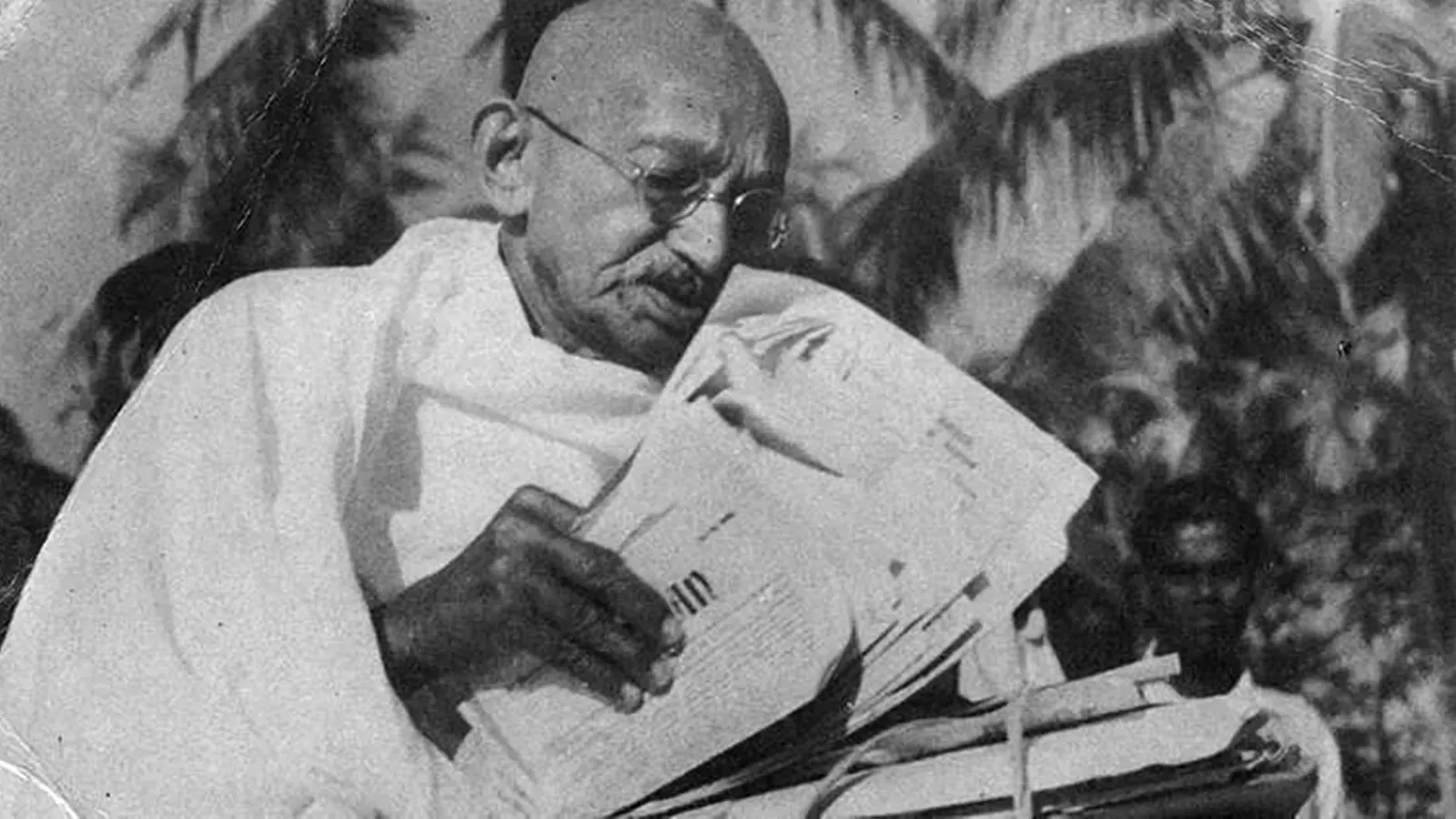
Bhagalpur. The city of Bhagalpur is set to host a significant three-day commemorative event from August 7 to 9, marking the profound historical connection between Mahatma Gandhi and the region. This celebration honors the centenary of Gandhi’s initial visits to the city, which served as pivotal moments in the Indian freedom struggle and his broader social reform initiatives. Organizers aim to explore the contemporary application of Gandhian principles, specifically focusing on truth, moral courage, and the enduring power of civil disobedience.
Gandhi’s engagement with Bhagalpur was marked by four distinct visits between 1917 and 1934. His first arrival in 1917, shortly after the Champaran Satyagraha, featured a landmark address to students at what is now known as Lajpat Park. During this session, he emphasized the importance of national service and the role of education. Subsequent visits in 1920 and 1925 saw him championing the Swadeshi Movement and promoting constructive social programs, including khadi production and the active participation of women in the independence movement.
The final visit in 1934 demonstrated his commitment to humanitarian relief following a devastating earthquake that impacted both India and Nepal. These historical milestones are well-documented in his personal writings, the diaries of his secretary Mahadev Desai, and the official collection of his works. Scholars note that these visits were not merely symbolic but were instrumental in shaping the political and social consciousness of the era.
The upcoming festival will feature a diverse program, including an archival exhibition detailing Gandhi’s life, a keynote address by author Purushottam Agrawal, and cultural performances of traditional music. Organizers highlight that the ongoing national discourse surrounding Gandhi serves as a testament to his lasting influence. They point to recent peaceful democratic protests as clear evidence that his methods remain a vital tool for social change today.
By weaving together these historical reflections with modern-day relevance, the event seeks to inspire a new generation to engage with the core tenets of non-violence. As the nation reflects on these milestones, the legacy of the Mahatma continues to provide a framework for addressing contemporary challenges through dialogue and principled resistance.
प्रतिक्रियाएं
टिप्पणियां
अभी कोई स्वीकृत टिप्पणी नहीं है।