
Rajasthan BJP Shifts Focus to Gen-Z Voters to Secure Future Electoral Dominance
The Bharatiya Janata Party in Rajasthan is recalibrating its outreach strategy, placing Gen-Z at the heart of its political agenda from local municipal bodies to national parliamentary elections.
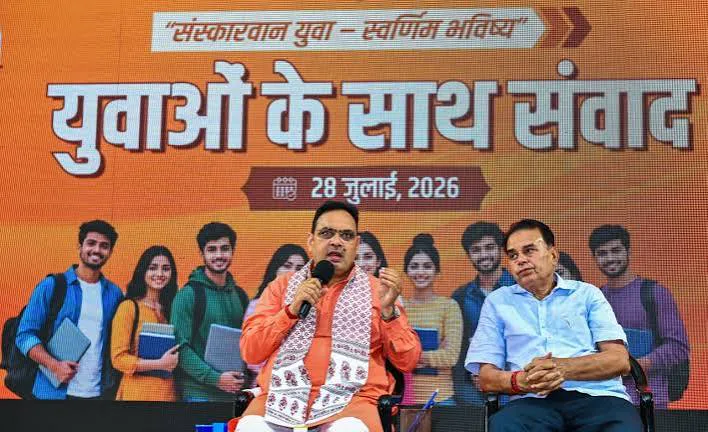
Jaipur. The Bharatiya Janata Party in Rajasthan has initiated a comprehensive strategic shift aimed at capturing the support of the Gen-Z demographic. As the political landscape evolves, the party is actively integrating younger voters into its core electoral framework, spanning from local municipal governance to the high-stakes arena of Lok Sabha contests.
Both the state government and the party organization are working in tandem to bridge the gap between traditional political messaging and the aspirations of the digital-native generation. This move is seen as a long-term effort to ensure sustained electoral relevance by addressing the specific concerns and technological preferences of young citizens who are increasingly influential in shaping public discourse.
Internal discussions suggest that the party is refining its communication channels to better resonate with first-time voters and those entering the workforce. By focusing on youth-centric policy initiatives and digital engagement, the leadership aims to create a robust pipeline of support that extends beyond conventional voter bases.
The strategy involves a multi-layered approach, utilizing social media platforms and grassroots outreach programs designed to mobilize young people. The party is encouraging youth participation in local governance, viewing it as a training ground for future leadership roles while simultaneously strengthening its presence in urban and rural constituencies alike.
Political analysts note that this pivot reflects a broader recognition that the demographic dividend in Rajasthan is a decisive factor in modern elections. By prioritizing the needs of the younger population, the party hopes to secure a significant advantage in upcoming electoral cycles, ensuring that its organizational structure remains dynamic and responsive to the changing social fabric of the state.
प्रतिक्रियाएं
टिप्पणियां
अभी कोई स्वीकृत टिप्पणी नहीं है।