
From Classroom Innovation to Political Advocacy: The Evolution of Sonam Wangchuk
Sonam Wangchuk's transition from a pioneering educator to a prominent environmental and political activist reflects his lifelong commitment to addressing the unique challenges of the Himalayan region.
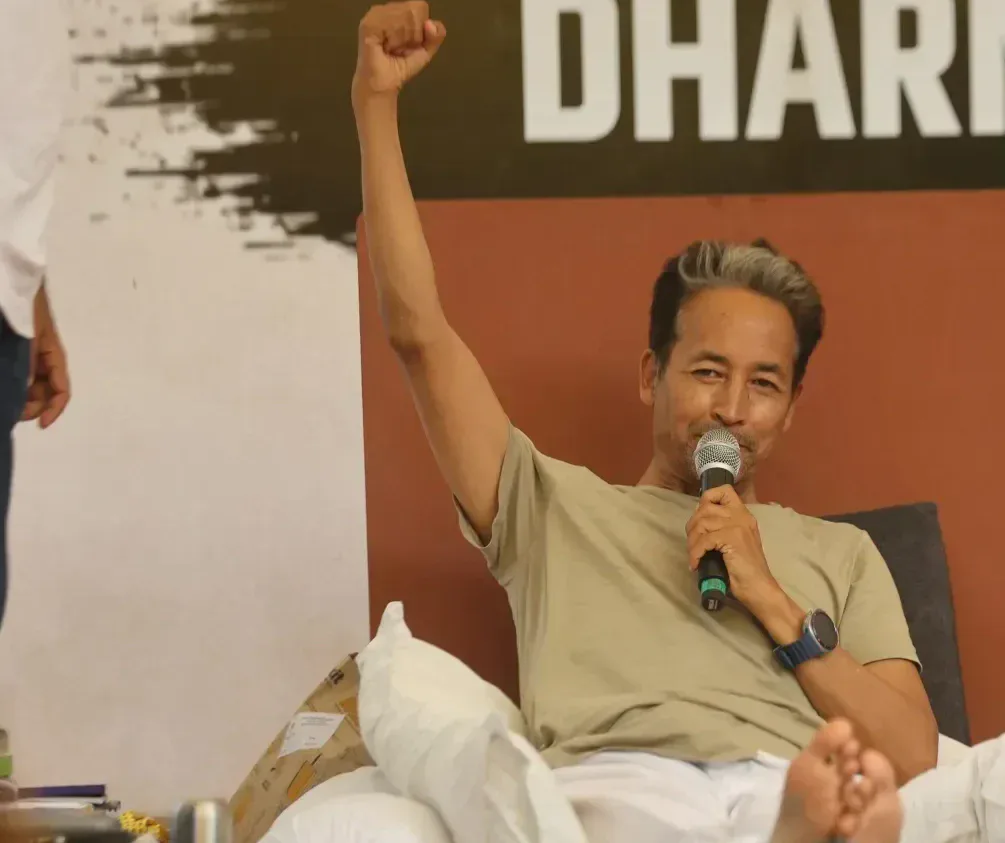
Leh. Sonam Wangchuk has long been a familiar name in the landscape of Indian social reform, recognized initially for his transformative work in education. His early career was defined by the establishment of the Students' Educational and Cultural Movement of Ladakh, an initiative that sought to overhaul the local schooling system by making it more relevant to the cultural and geographical realities of the mountain region. By focusing on practical learning and student-led governance, he demonstrated that localized solutions could effectively address systemic educational failures.
Beyond the classroom, Wangchuk expanded his focus toward ecological preservation, becoming a vocal advocate for the fragile environment of the Himalayas. His engineering ingenuity gained national attention through the development of ice stupas, a sustainable method for water conservation that helps local communities manage water scarcity during the dry spring months. This practical approach to climate adaptation underscored his philosophy that technological innovation must serve the immediate needs of the people living in harmony with nature.
In recent years, his public profile has shifted significantly toward political activism, particularly concerning the constitutional status and governance of Ladakh. He has been a central figure in movements demanding greater administrative autonomy and protections for the region's land and cultural identity. His transition into the political arena is viewed by supporters as a natural progression of his advocacy, moving from grassroots community building to challenging national policy frameworks.
The activist's journey highlights a consistent pattern of engagement with the issues facing his home region. Whether through reforming school curricula or leading protests for regional rights, his methods remain rooted in the belief that sustainable development requires both scientific innovation and political accountability. As he continues to navigate the complexities of national politics, his influence remains a testament to the impact of persistent, community-focused leadership.
प्रतिक्रियाएं
टिप्पणियां
अभी कोई स्वीकृत टिप्पणी नहीं है।