
Reflecting on the Legacy and Future of International Labour Day
As the world observes International Labour Day, we examine the historical struggles that shaped modern workplace rights and the ongoing evolution of labor protections in a changing global economy.
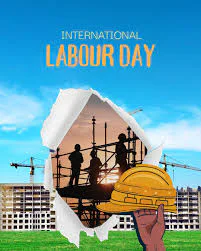
New Delhi. International Labour Day serves as a poignant reminder of the historic movements that fought to secure fundamental rights for the working class. This global observance traces its roots back to the late nineteenth century, emerging from the persistent struggle for reasonable working hours and safer conditions. What began as a demand for an eight-hour workday has evolved into a comprehensive platform for addressing contemporary challenges faced by employees across diverse sectors.
The significance of this day extends beyond mere commemoration, acting as a catalyst for dialogue between policymakers, industry leaders, and the workforce. As the nature of employment shifts toward digital platforms and remote arrangements, the conversation has expanded to include gig economy protections, mental health support, and the necessity of fair compensation in an inflationary environment. These discussions are essential for ensuring that the dignity of labor remains a central pillar of economic progress.
Governments and labor organizations worldwide utilize this occasion to evaluate the efficacy of existing statutes and to propose reforms that reflect modern realities. The focus has increasingly turned toward bridging the gap between traditional industrial protections and the needs of a modern, tech-driven labor force. By fostering an environment that prioritizes safety, equity, and professional development, societies can better support the individuals who drive national growth.
Looking ahead, the commitment to upholding the principles established by early labor activists remains vital. The ongoing efforts to standardize workplace safety protocols and ensure equitable access to benefits demonstrate a collective resolve to improve the quality of life for all workers. As global markets continue to integrate, the harmonization of labor standards serves as a critical objective for international cooperation.
Ultimately, the observance of this day reinforces the essential role that workers play in the stability and prosperity of nations. By acknowledging the contributions of the workforce and addressing systemic inequalities, the global community reaffirms its dedication to a future where every individual is treated with respect and provided with the opportunities necessary to thrive in their chosen profession.
प्रतिक्रियाएं
टिप्पणियां
अभी कोई स्वीकृत टिप्पणी नहीं है।